A Circudyne Odyssey
Closing out a season tracing a constellation of thinkers and ideas behind circular transformation — sharpening how we see perception, storytelling, and imagination, and preparing the ground for a harder question: what circularity must now deliver.


Autumn 2025 series conclusion
Breaking The Circudyne Letter into quarterly seasons was my way of resolving a fundamental tension: how to go both broad and deep on a subject as expansive as circularity, and of circular transformation in particular.
The previous season, Introduction to Circudyne, surveyed the core ideas that have emerged over the roughly half decade I’ve been working on circularity as a transformation objective. That arc culminated in the Circudynamics framework, which now serves as the architectural backbone of this work.
This season, A Circudyne Odyssey, took a different approach. Rather than advancing my own ideas directly, it traced a path through a set of thinkers, makers, and moments that shaped how I came to see the problem in the first place. It is not an exhaustive lineage. It is closer to a personal thought experiment: who, from across history, would I invite to the table to think this through together? And what would we talk about?
As the season unfolded, a unifying theme became clearer — one that was not planned at the outset. Storytelling emerged not merely as a topic within the letters, but as a connective tissue between them. More importantly, it became evident that storytelling itself is having a moment again in the broader cultural conversation.
That convergence mattered. Stories shape not just what we believe, but what we perceive as possible. They condition how we coordinate, what futures we can imagine, and which paths feel viable before the analysis ever begins.
Before we turn the page, it’s worth pausing to take stock of what this Odyssey set out to do—and what it made visible along the way.
- What Would Have To Be True?
- From Milkshakes to Meaning
- Modularity Theory: The Compass for Circular Innovation Strategy
- Beyond Organizational Charts
- Sparking Joy
- The Overview Effect
- Toward Imagination
- Dunkirk Spirit and Circular Transformation
- Closing the Mythology Gap
- “Something Goes Wrong!”
- You Don’t Need Better Storytellers
- McLuhan, Perception, and the Role of Brands Today
What Would Have To Be True?
Beginning with the future, not the present
The season opened by rejecting incrementalism. Drawing on Roger Martin’s future-back logic, this letter reframed strategy as a discipline of imagination—working backward from a future worth choosing rather than forward from present constraints.
→ Replacing optimization with future-first reasoning.
 Christian Rishel
From Milkshakes to Meaning
Demand is not a force to be harnessed, but a job to be done
Building on that strategic stance, this letter revisited Jobs To Be Done theory as articulated by Clayton Christensen, showing why many sustainability and circular initiatives stall: they misunderstand demand as preference rather than purpose.
→ Demand as purpose, not preference.
 Christian Rishel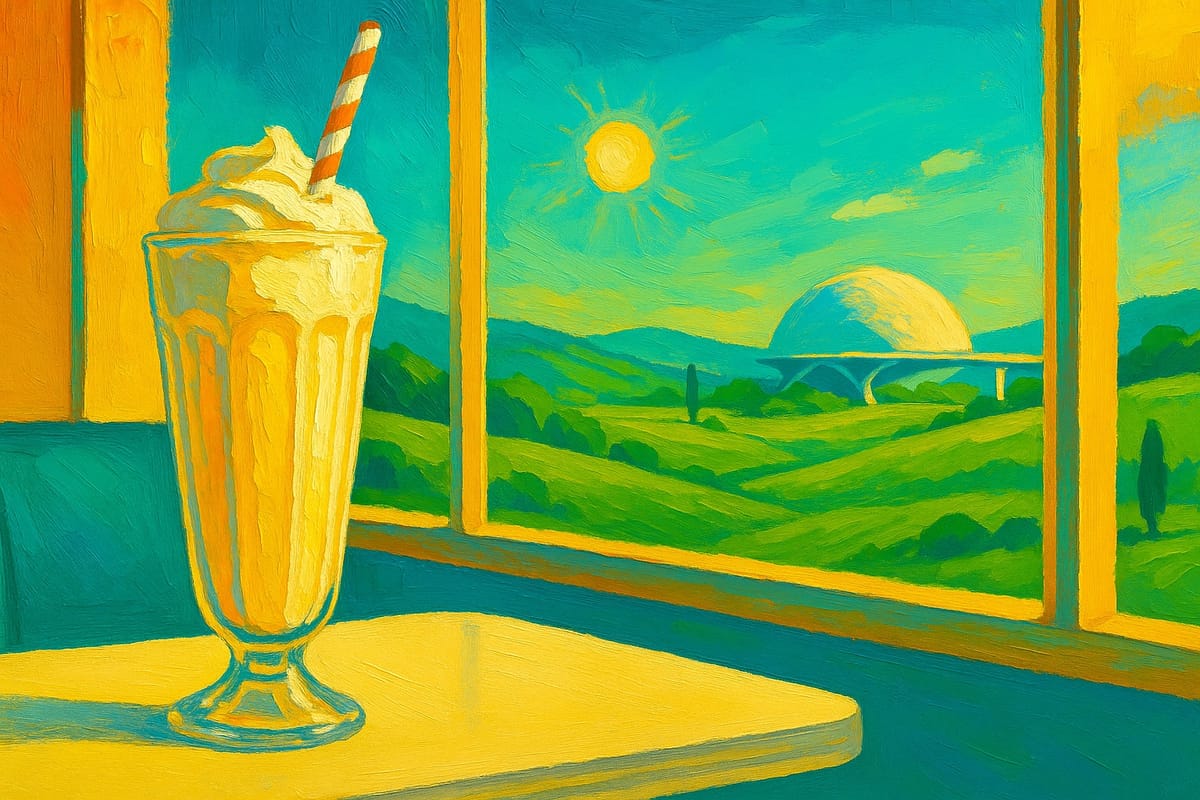
Modularity Theory: The Compass for Circular Innovation Strategy
Structure determines possibility
This essay extended Christensen’s work into modularity theory, revealing how system architecture governs innovation, resilience, and adaptability — and why circularity cannot simply be layered onto existing designs.
→ System architecture as a primary strategic lever.
 Christian Rishel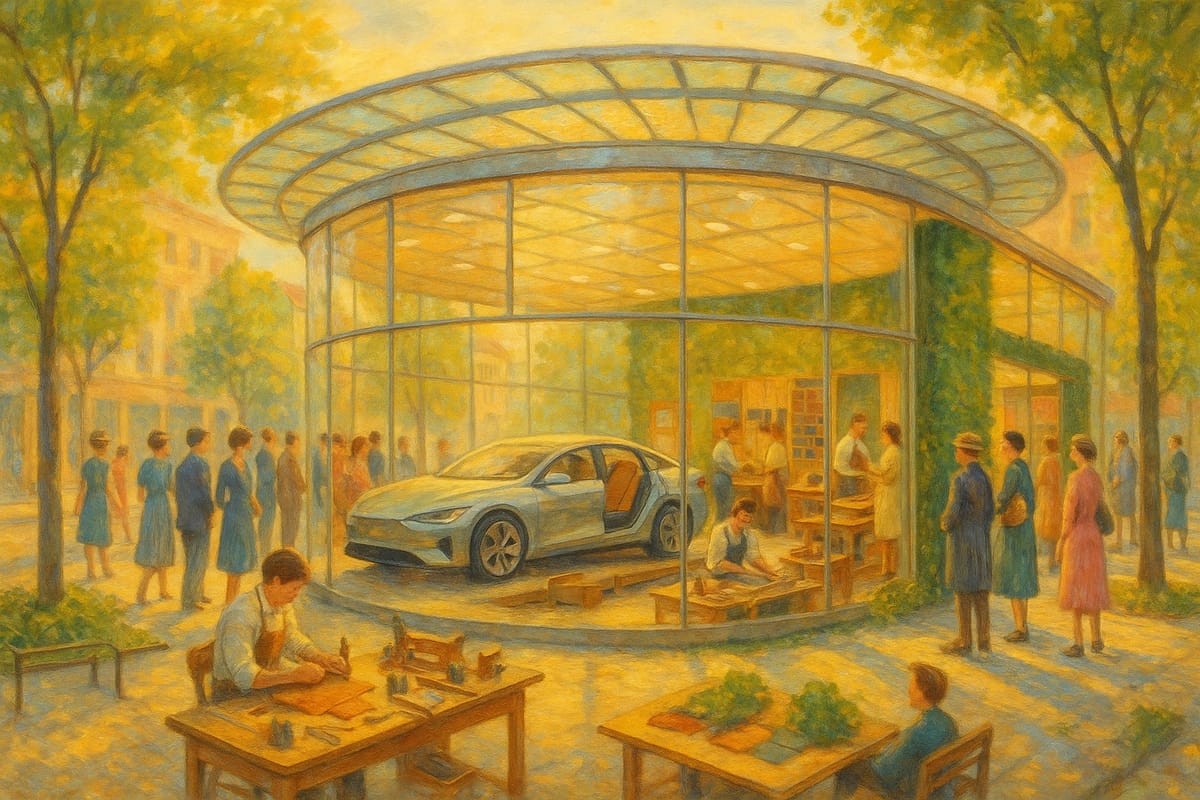
Beyond Organizational Charts
Self-disruption is cultural before it is operational
Returning again to Christensen’s thinking — this time on self-disruption — the focus shifted from structure to capability. The letter argued that genuine transformation depends on vision, culture, and shared values, not just incentives or reorgs.
Together, these three Christensen essays formed a little mini-cycle within the season: demand, structure, and self-disruption.
→ Culture as enabling infrastructure, not ornament.
 Christian Rishel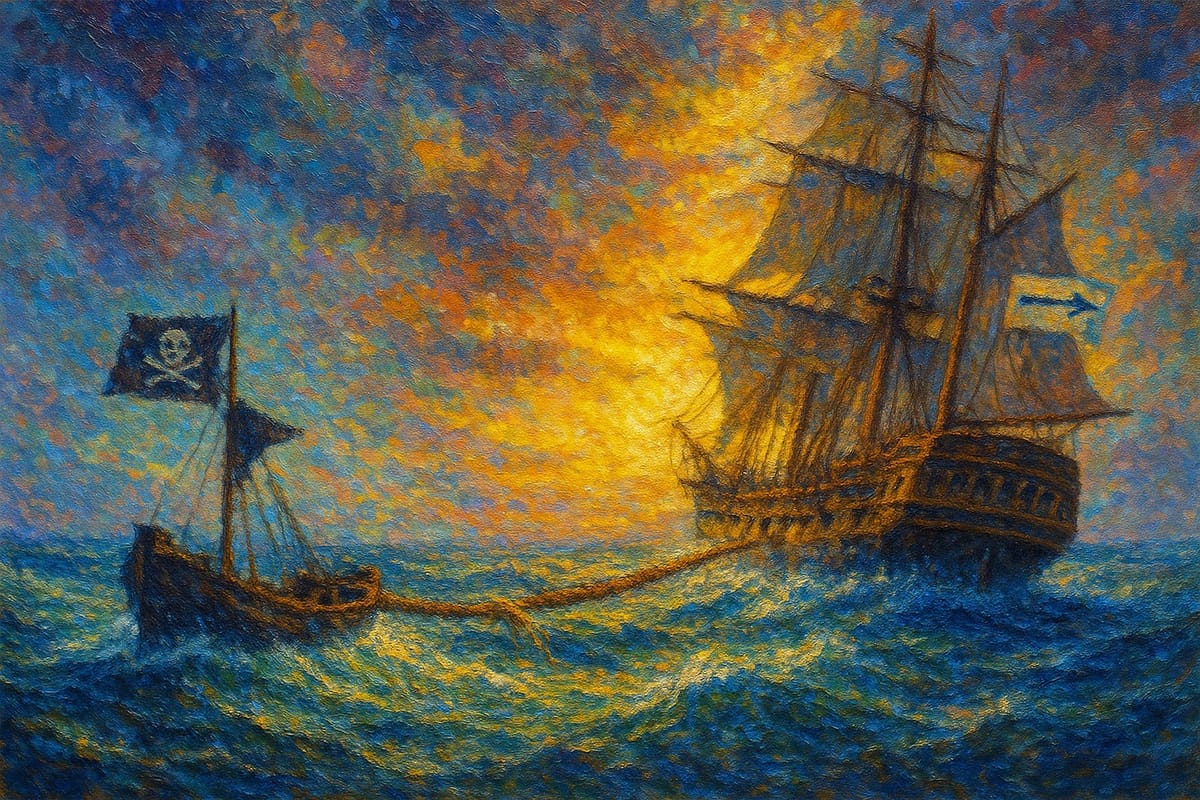
Sparking Joy
Why circular futures must feel desirable
With the strategic groundwork laid, the series turned toward experience. Drawing inspiration from Marie Kondo, this letter challenged the assumption that seriousness and austerity are the only credible registers for sustainability. Joy, here, became a diagnostic for what futures people will actually choose.
→ Joy as a functional design constraint.
 Christian Rishel
The Overview Effect
A moral context larger than any market
This essay widened the aperture, introducing Frank White's Overview Effect as a way to situate circularity within a moral and temporal frame larger than any single organization or economy.
→ Enlarging the moral and temporal horizon of decision-making.
 Christian Rishel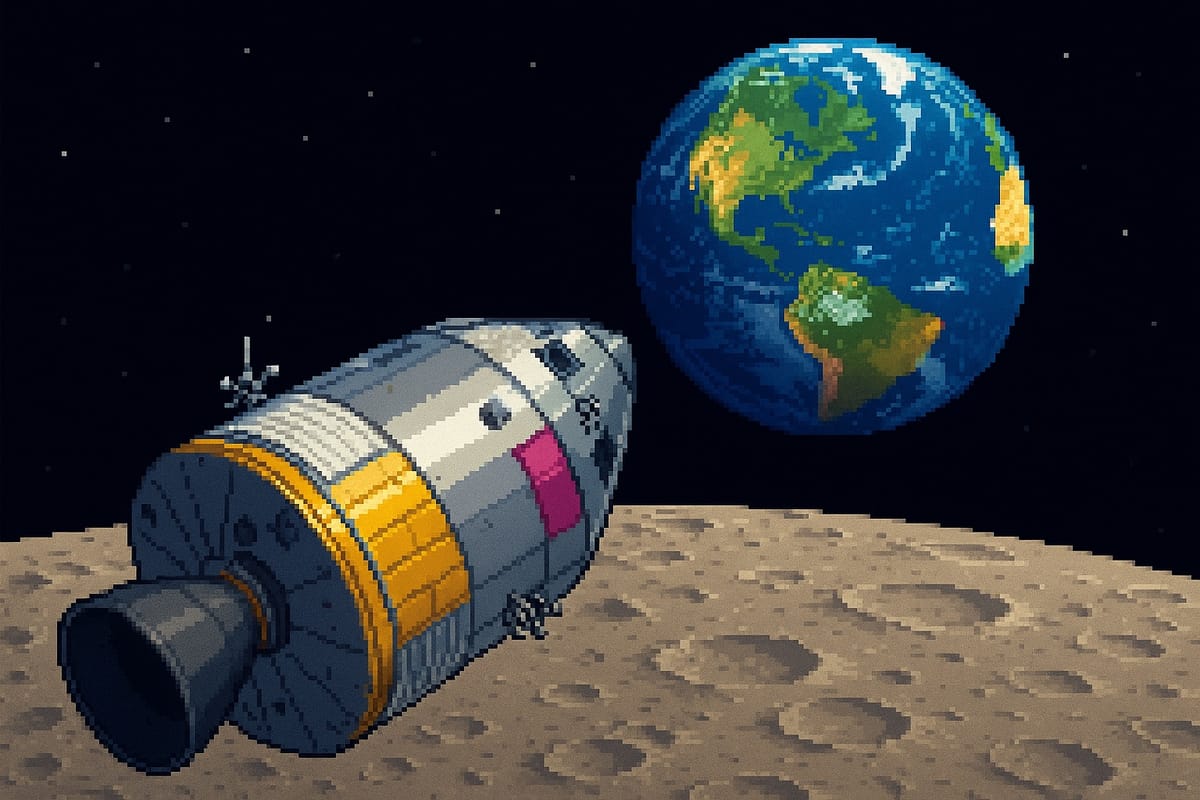
Toward Imagination
Why imagination has been systematically constrained
At the midpoint of the season, this letter examined how imagination itself has been narrowed by modern institutions and incentives, and why restoring it is a collective design challenge, not a personal failing.
→ Imagination as a capability that can be designed for.
 Christian Rishel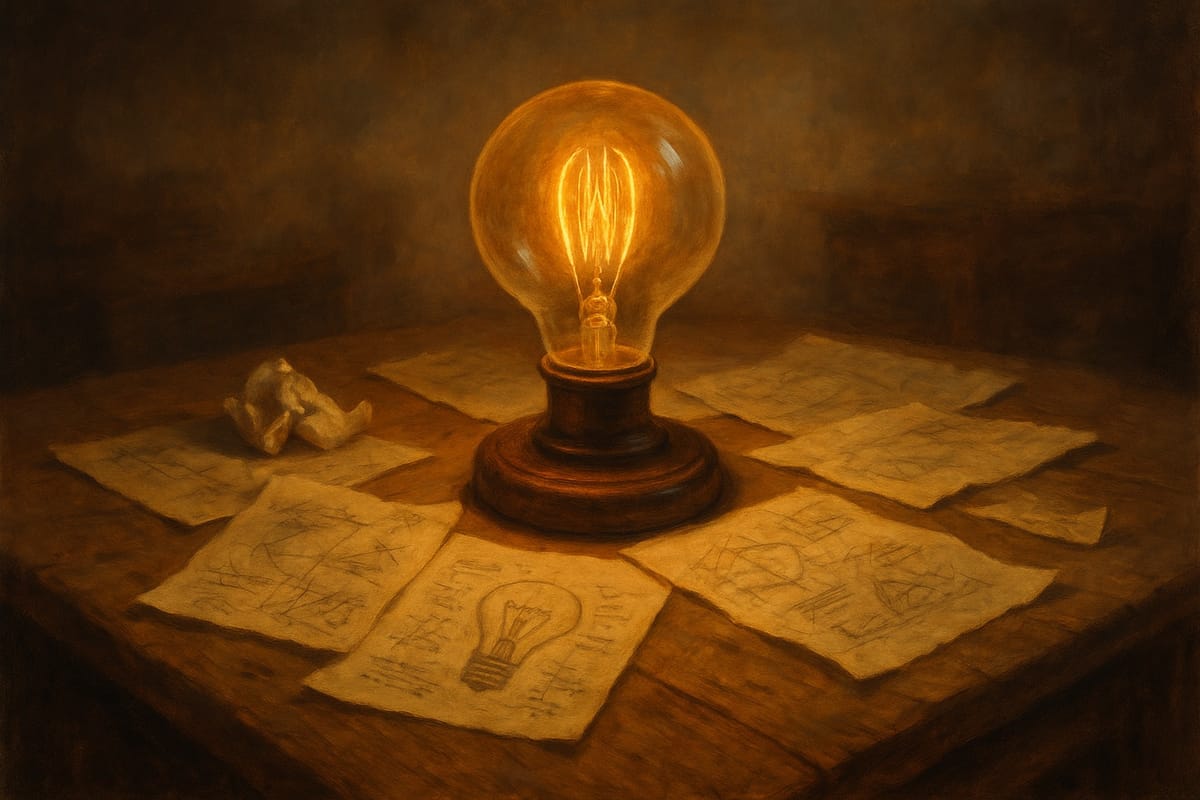
Dunkirk Spirit and Circular Transformation
Coordination without command
Using Dunkirk as a historical lens, this letter explored how distributed actors can coordinate effectively when formal institutions are no longer fit for purpose — offering a powerful analogy for circular transformation under real-world constraints.
→ Coherence as the precondition for collective action.
 Christian Rishel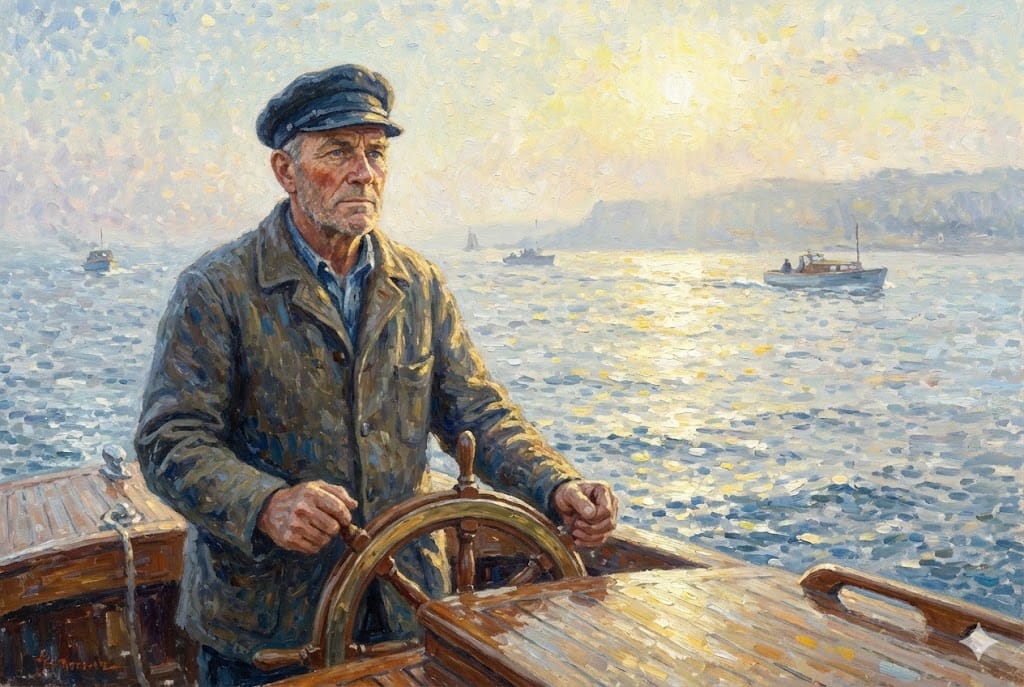
Closing the Mythology Gap
When stories lag behind reality
Here the series turned explicitly to mythology, drawing on Joseph Campbell, as interpreted through George Lucas, to diagnose what happens when inherited stories no longer match lived conditions.
→ Narrative misalignment as systemic risk.
 Christian Rishel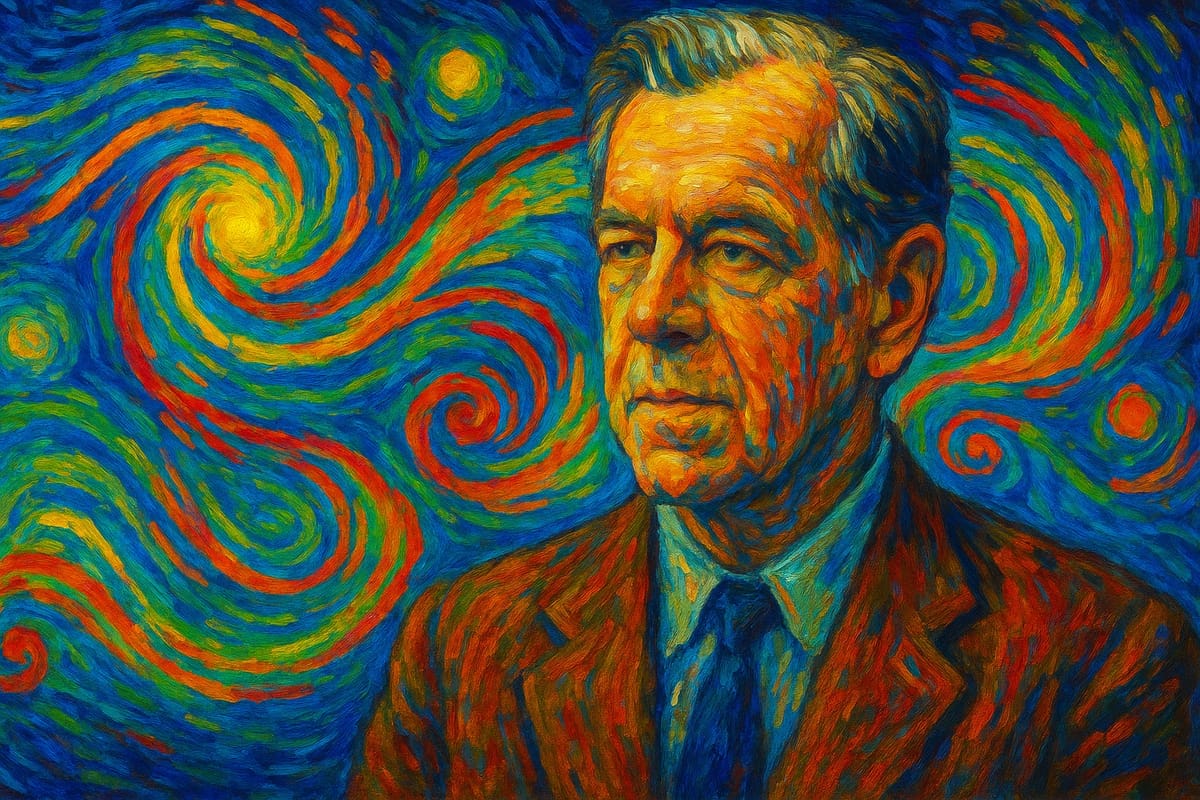
“Something Goes Wrong!”
Why familiar story structures no longer work
This letter examined breakdown itself, drawing on the cinematic sensibility of Wim Wenders to question whether traditional narrative arcs are capable of holding contemporary complexity.
→ Linear stories obscuring nonlinear change.
 Christian Rishel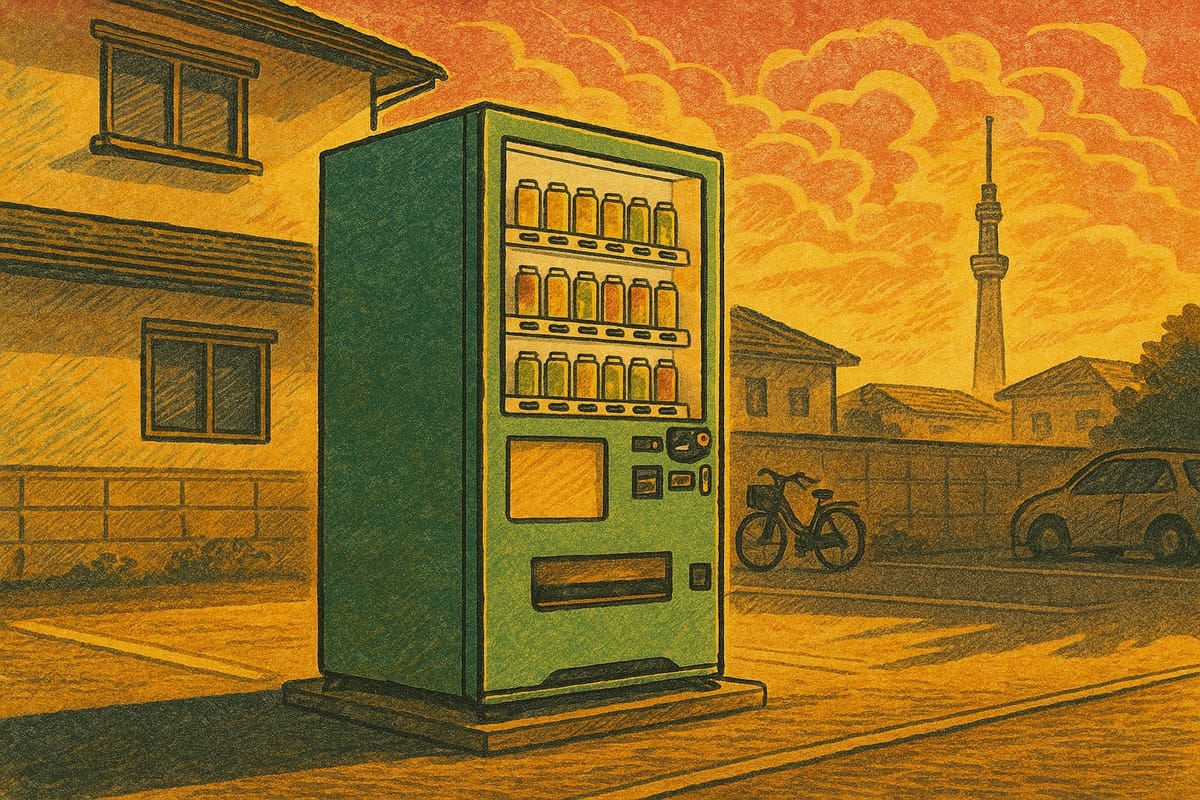
You Don’t Need Better Storytellers
You need better structures for meaning
The critique sharpened here. The problem, the letter argued, is not a shortage of narrative skill, but the absence of coherent structures within which stories can function truthfully.
→ Structural coherence matters more than narrative polish.
 Christian Rishel
McLuhan, Perception, and the Role of Brands Today
Perception comes before awareness
The season concluded with Marshall McLuhan, grounding the entire Odyssey in a final insight: perception shapes behavior before understanding. Brands, therefore, play a formative role in shaping what circular value can even be seen to be. Steve Jobs proved how to blend these elements in practice.
→ Perception as the primary lever of transformation.
 Christian Rishel
Happy New Year! 🥳