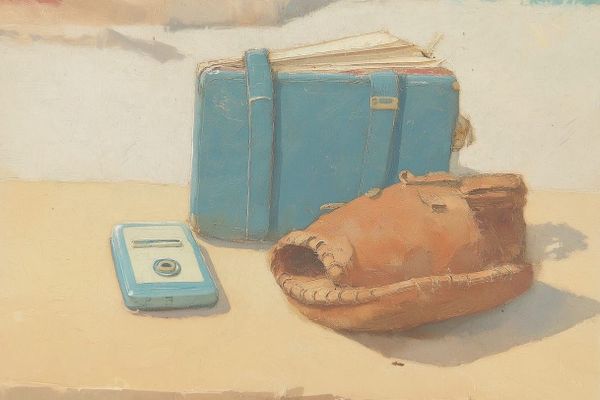
Companion Device
The Personal Companion
A device fitted to you on your first day of school, that grows with you across a lifetime. What consumer electronics looks like when it lasts.

Companion Device
A device fitted to you on your first day of school, that grows with you across a lifetime. What consumer electronics looks like when it lasts.

Energy Sovereignty
The household has been at the far end of a long fragile string for a century. Energy sovereignty is the move out. Solarpunk 2.0, and the triad that builds it.
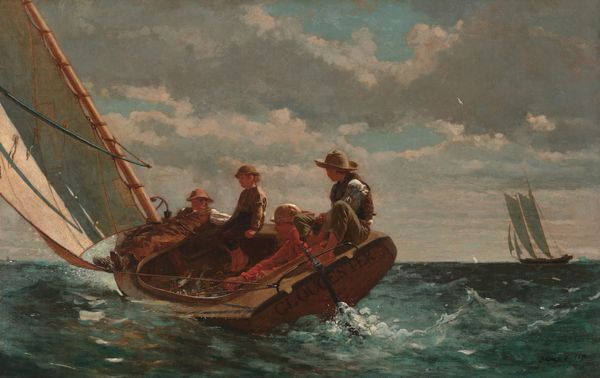
On the Bubble
The environmental imperative is the reason to begin. This is about why you'll be glad you did it. Have to versus get to. Part I of a two-part conclusion.
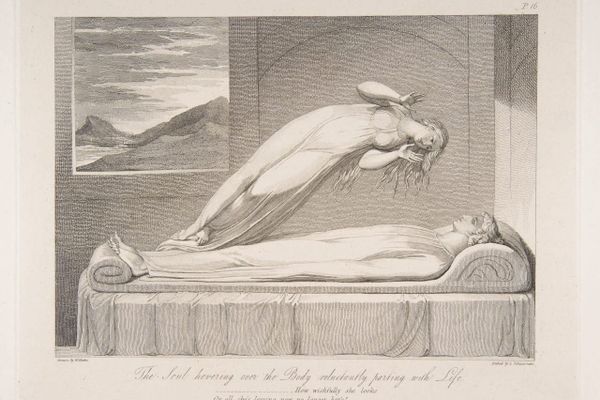
Future Proofing
In a performance economy, the product is a vessel. The software is the spirit. What happens when the spirit departs?

Diplomacy
Managing within a system in decline is a form of denial.

Circudyne Odyssey
Closing out a season tracing a constellation of thinkers and ideas behind circular transformation — sharpening how we see perception, storytelling, and imagination, and preparing the ground for a harder question: what circularity must now deliver.
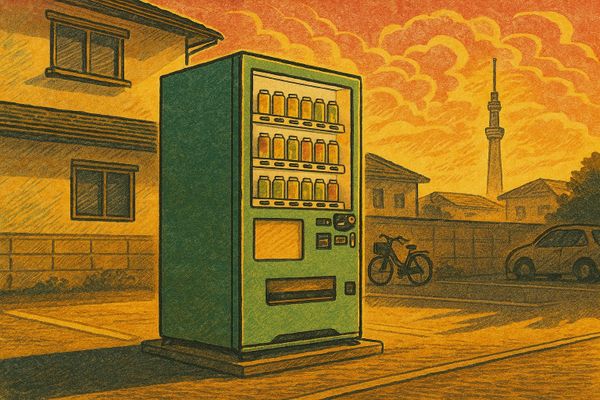
Perfect Days
We’ve absorbed decades of stories that teach us to wait for the break: build a world, then watch it fall, because “something goes wrong!” is where the meaning begins. Tales of the Circular Century require a different rhythm. “Perfect Days” reveals the quiet power of a world that holds.
Cultural Mythology
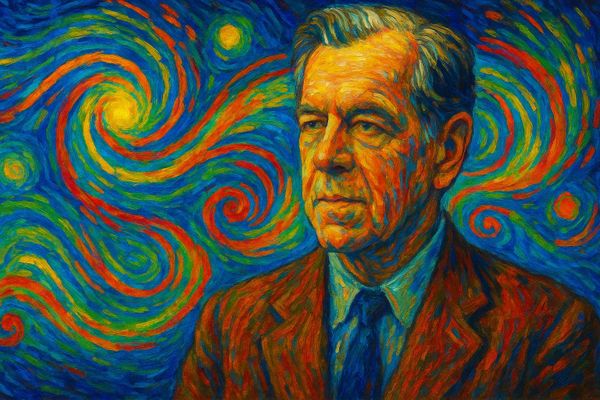
When the world changes faster than our stories, organizations lose coherence and momentum. This Letter shows how Joseph Campbell, George Lucas, and Coca-Cola demonstrated the deeper work of cultural renewal — and what it means to become fit for purpose in the Circular Century.

Dunkirk
Like the Royal Navy at Dunkirk, today's corporations are unfit for the task. Circular transformation needs 1,000 small boats, not one big ship. What's yours?
Connection
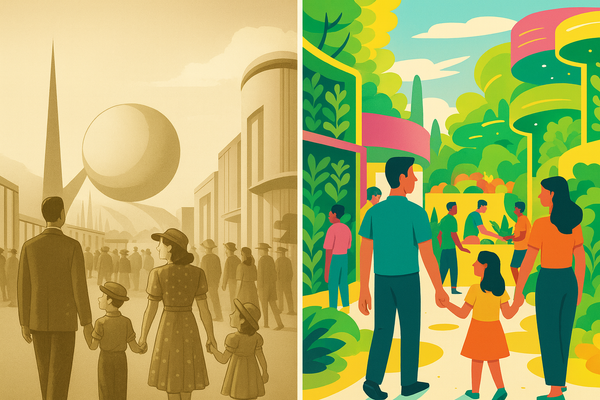
Cultural mythology shapes what people want more than rational analysis. We adopt behaviors and identities by watching others embody them successfully. Shared experiences accelerate the cultural momentum that makes circularity feel inevitable.