Nature of Change
The Why and How of Change
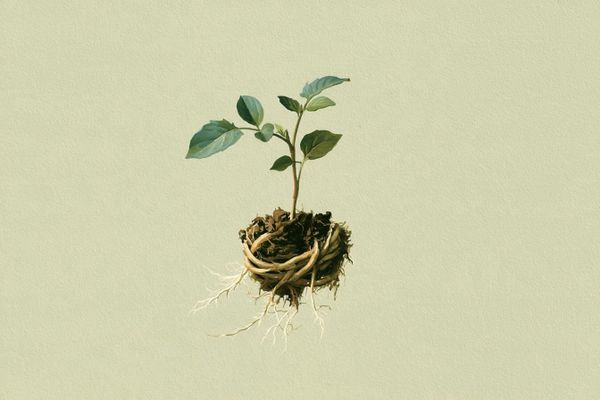
Stuffed channels, diluted brands, enshittified platforms: each traces back to wasteful production. The result is a culture-wide malaise. Circularity cuts the knot.

Nature of Change
Stuffed channels, diluted brands, enshittified platforms: each traces back to wasteful production. The result is a culture-wide malaise. Circularity cuts the knot.

Nature of Change
Change ebbs and flows. It surges when leading firms read the moment and weigh the long-term cost of inaction as rigorously as the near-term cost of action.
Nature of Change
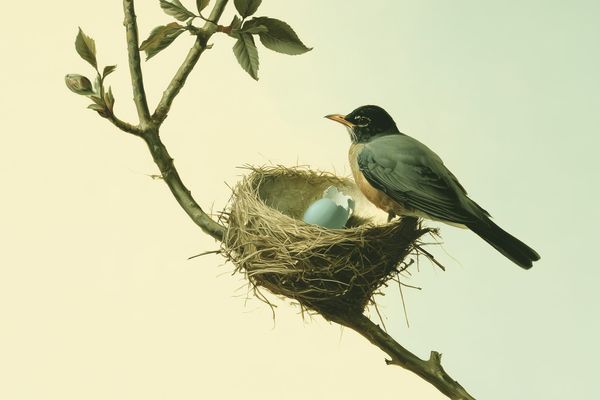
End-of-life is product strategy’s final frontier. The Last Moment of Truth is where transformation is won or lost, and where producers have the most to gain.
Nature of Change
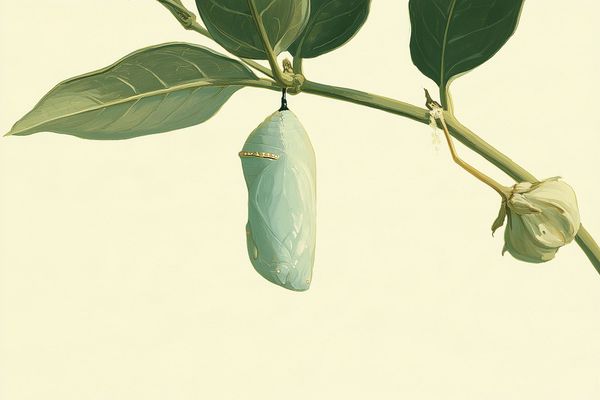
Most leaders know their company must change. But there is not a lot of change happening. Before asking how circularity transformation works, we ask whether it can happen at all.
Summer Reading 2026
A season spent with canonical works on circularity, systems, strategy, Lean, and craft.
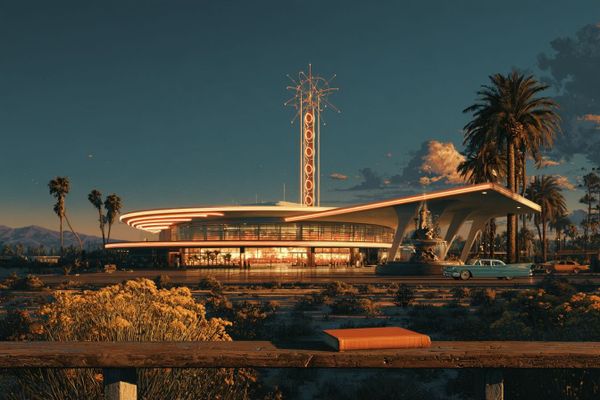
Summer Reading 2026
Circularity is a complicated idea that needs to be simplified to be remembered. The Heath brothers wrote the book on that, and it points to a story we should have been telling all along.
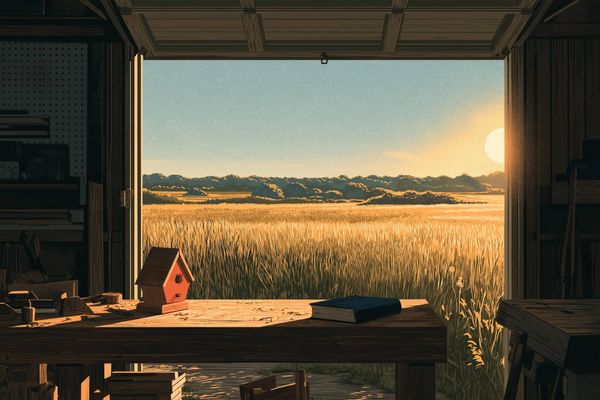
Summer Reading 2026
Circularity transformation needs a cornucopia of new-to-world products, made quickly and well. Tony Fadell's method for making them is repeatable.
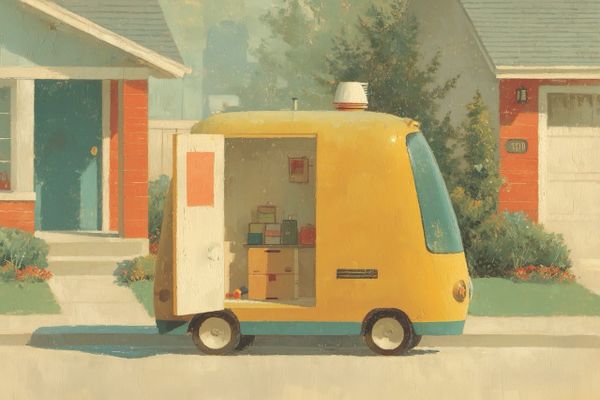
The Circular Century's symbol: an autonomous vehicle that delivers what you need and retrieves what you're done with. One stop. Both ways.
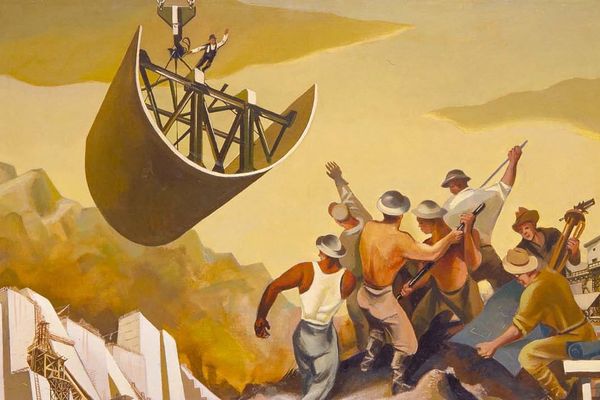
Personal sovereignty in energy, attention, time, and your relationship with things. The Circular Century is a New Deal you can acquire for yourself — the full inheritance of a surplus you were always owed.
When institutions produce the chaos, order becomes the rebellion. The punks of 2026 don't sneer. They say "no thank you" and build something without you.
Why do rigidly managed systems so often end in decay? A closer look at enshittification, linear logic, and why this moment calls for leadership.
Circular economy transformation through systematic synthesis. Circudynamics integrates strategy, worldbuilding, technology, culture, and craft. Subscribe to The Circudyne Letter.
Marshall McLuhan is as pertinent today as he was in 1964, and the reason is his definition of media, which is broader than ours. Circularity transformation needs a media strategy in his sense of the word. Here is what he meant.
Christopher Alexander built a language for making places that serve human needs beautifully and economically. It doubles as a manual for choosing well where no data exists — the exact position circularity strategists occupy today.
Lean's founding text by Taiichi Ohno shows that the most celebrated efficiency revolution in business history was circular from the start — and hands circularity transformation its strongest precedent.
Clayton Christensen’s iconic analysis reveals why well-run companies at the peak of their powers are routinely vulnerable to disruption. We examine his thesis through the lens of circularity disruption.
Strategy is a choice, so you might as well choose to win. For circularity leaders, the framework offers an opportunity and a moment of truth.
Two esteemed points of view on the nature of progress, how it applies to strategy, and what it means for circularity transformation.
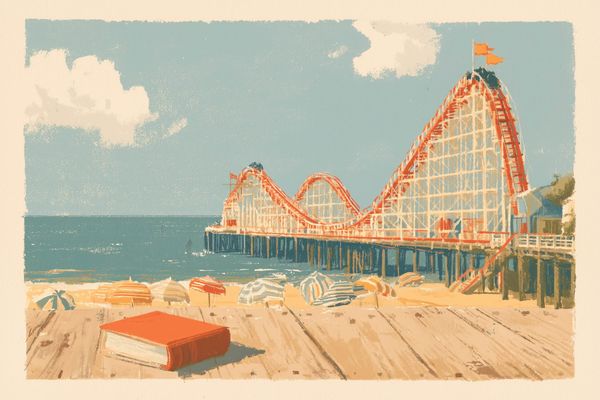
The summer reading series arrives at the wellspring: Jay Wright Forrester's 1961 book, the bedrock beneath circularity's systems thinking.
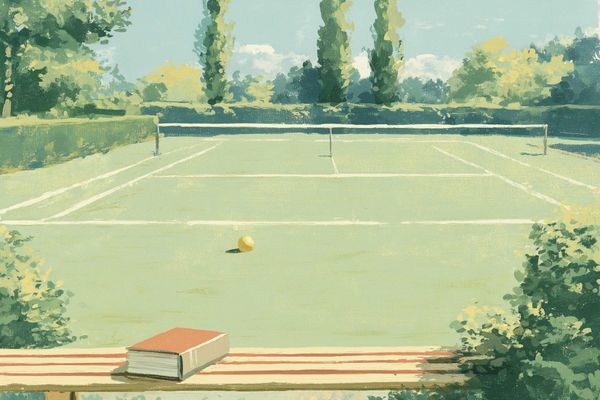
Donella Meadows built an exquisite analytical toolkit, then told us exactly where its utility ends. The future can only be envisioned, not analyzed.

The founding texts of circularity — Benyus, McDonough & Braungart, and Stahel — read together. Three merit badges earned, and one still on the table.

The summer reading season opens with Walter Stahel's introductory text — a book that reaches for what's still missing: a longing for the circular economy.
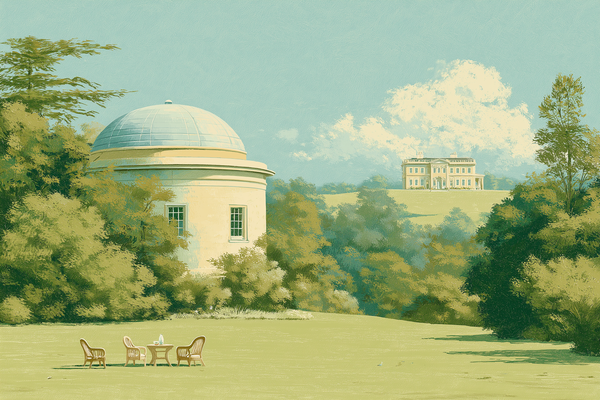
The season's real subject turned out to be the good life — and the kind of luxury that comes from a better place than scarcity.
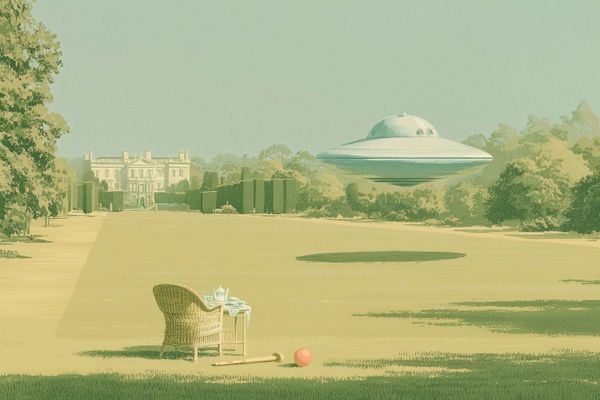
Clarke said that whether or not we are alone in the universe, the prospect is terrifying. This season's final letter asks what would make us worthy of the answer.