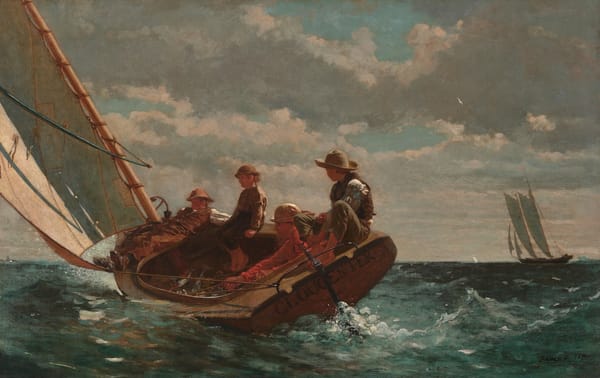
On the Bubble
Why Self-Disrupt?
The environmental imperative is the reason to begin. This is about why you'll be glad you did it. Have to versus get to. Part I of a two-part conclusion.

On the Bubble
The environmental imperative is the reason to begin. This is about why you'll be glad you did it. Have to versus get to. Part I of a two-part conclusion.
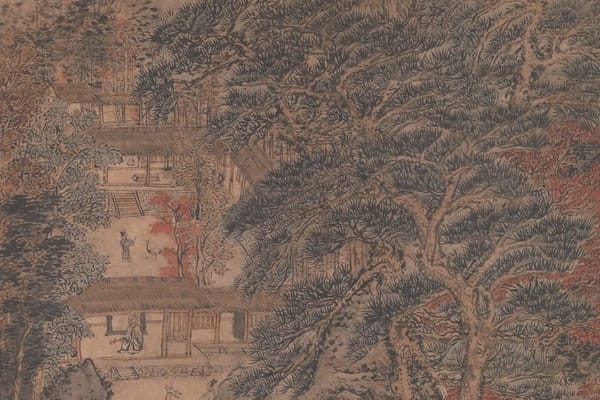
Simplicity
Abundant energy and intelligence are arriving just as the culture demands simplicity. The brand that sells "enough" will own the biggest business opportunity in history.
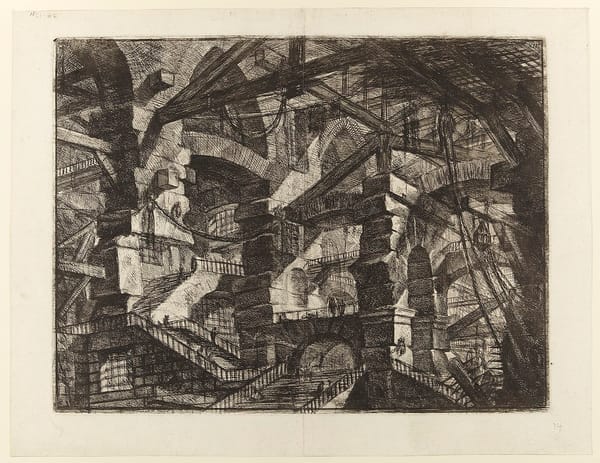
On the Bubble
The era of incremental change is rapidly coming to a close
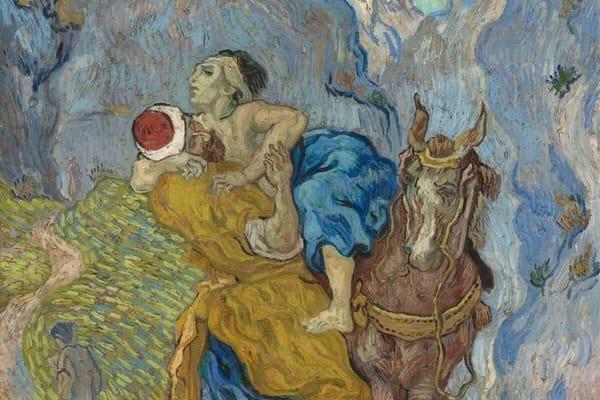
On the Bubble
It enables worldbuilding where time and value are not yet fixed, providing a path to product–market fit before markets, metrics, or demand signals exist.

Circudyne Odyssey
Closing out a season tracing a constellation of thinkers and ideas behind circular transformation — sharpening how we see perception, storytelling, and imagination, and preparing the ground for a harder question: what circularity must now deliver.
Circudyne Odyssey
Marshall McLuhan argued that experience shapes behavior before understanding. In a moment defined by overload and institutional fatigue, this letter explores what that insight means for brands, and why helping people see has become their responsibility.
Connection
Stories begin with choices. Without internal coherence, even the best storytelling can’t help us imagine, or choose, the future we need.

Self-Disruption
What practitioners miss about Christensen's self-disruption theory—and why it matters for scaling circular innovation
Modularity
Bundling and unbundling—business history's endless cycle. Modularity theory explains why circular products fail when they're caught halfway between.
Jobs To Be Done (JTBD)
Clay Christensen showed us how to understand consumer preference beyond the A|B test. That key unlocks product-market fit for the Circular Century.