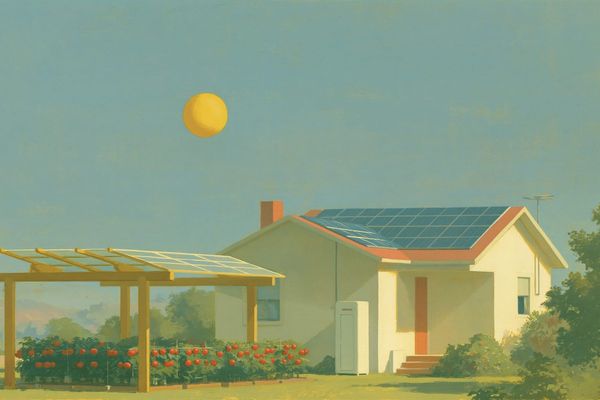
Energy Sovereignty
Energy Sovereignty
The household has been at the far end of a long fragile string for a century. Energy sovereignty is the move out. Solarpunk 2.0, and the triad that builds it.

Energy Sovereignty
The household has been at the far end of a long fragile string for a century. Energy sovereignty is the move out. Solarpunk 2.0, and the triad that builds it.
Living Futures
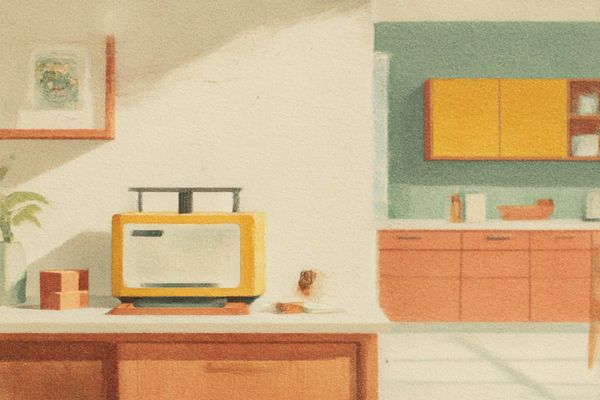
How it feels to live in a home that gets better with time, and what it takes to make one. Why the dwelling is the test case for better living with circularity.
The Neighbors
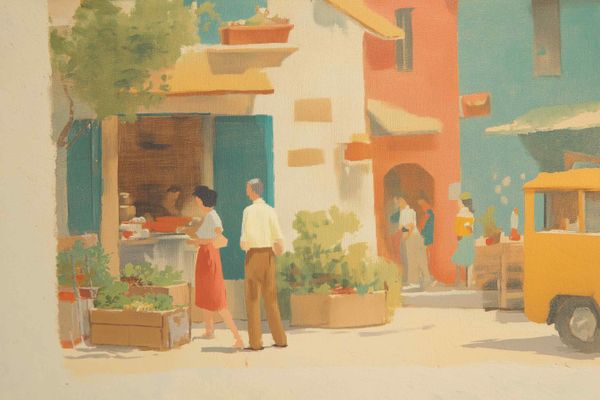
What happens when a block generates its own power, grows its own lunch, and tends its own things? The neighborhood becomes the operating layer of plenty.
Atelier
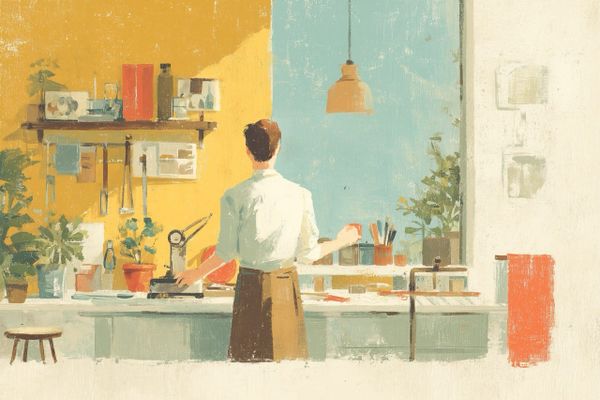
The neighborhood workshop where skilled artisans tend your things before they break — making them more yours over time.
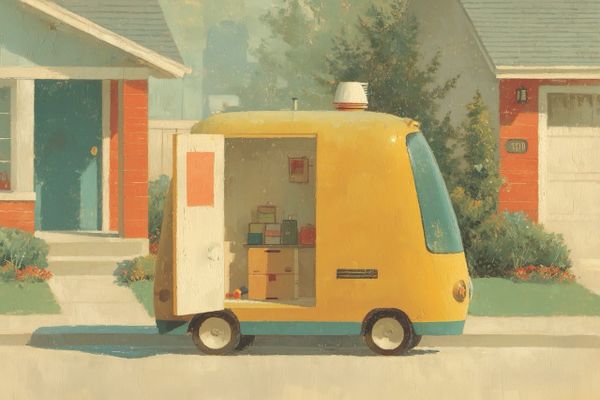
Robot Milkman
The Circular Century's symbol: an autonomous vehicle that delivers what you need and retrieves what you're done with. One stop. Both ways.
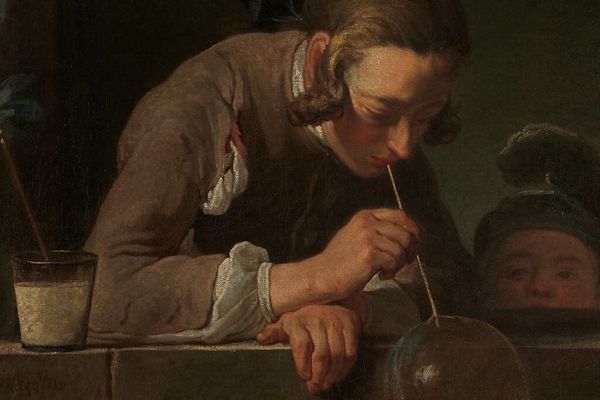
On the Bubble
Closing out a season that asked why circularity stalled — and discovered that the environmental case, while critical, is not enough to close the deal. The benefits hiding behind it are the ones that will.
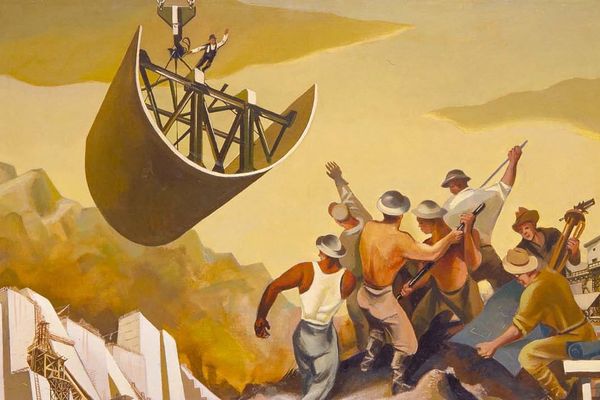
New Deal
Personal sovereignty in energy, attention, time, and your relationship with things. The Circular Century is a New Deal you can acquire for yourself — the full inheritance of a surplus you were always owed.
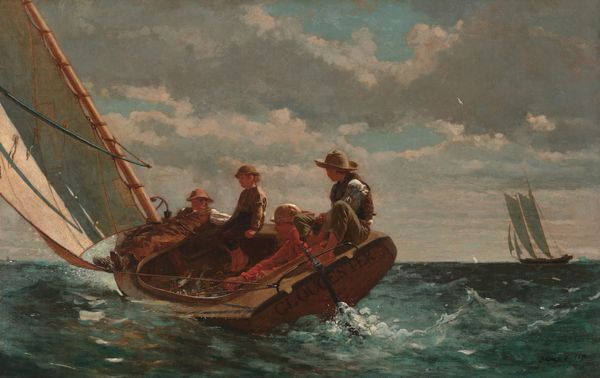
On the Bubble
The environmental imperative is the reason to begin. This is about why you'll be glad you did it. Have to versus get to. Part I of a two-part conclusion.
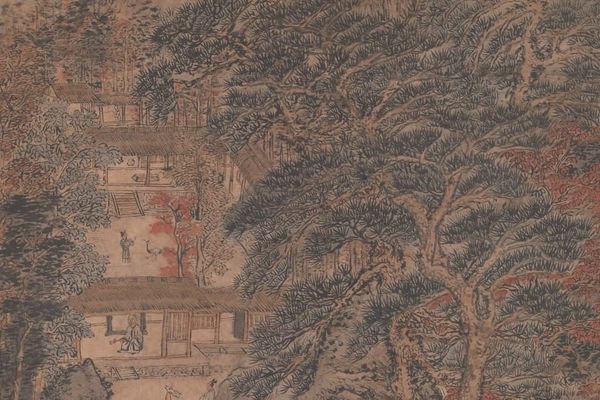
Simplicity
Abundant energy and intelligence are arriving just as the culture demands simplicity. The brand that sells "enough" will own the biggest business opportunity in history.
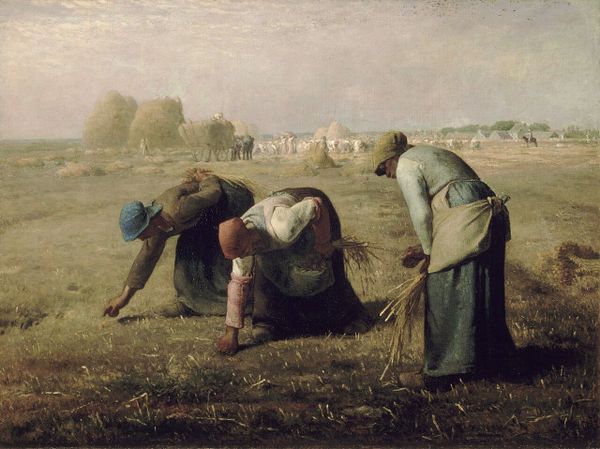
Rebellion
When institutions produce the chaos, order becomes the rebellion. The punks of 2026 don't sneer. They say "no thank you" and build something without you.
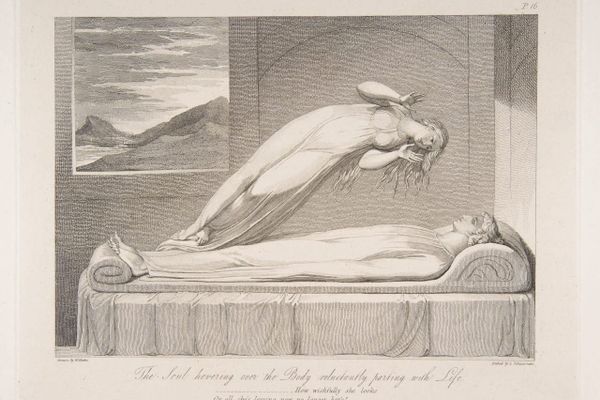
Future Proofing
In a performance economy, the product is a vessel. The software is the spirit. What happens when the spirit departs?

Reassurance
The performance economy, at its best, creates the conditions for play. At its worst, it creates the conditions for vigilance.