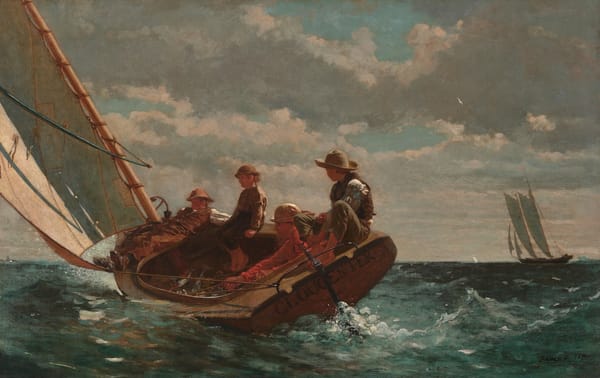
On the Bubble
Why Self-Disrupt?
The environmental imperative is the reason to begin. This is about why you'll be glad you did it. Have to versus get to. Part I of a two-part conclusion.

On the Bubble
The environmental imperative is the reason to begin. This is about why you'll be glad you did it. Have to versus get to. Part I of a two-part conclusion.
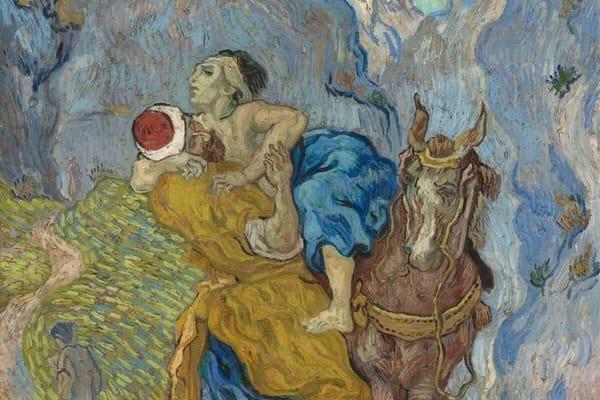
On the Bubble
It enables worldbuilding where time and value are not yet fixed, providing a path to product–market fit before markets, metrics, or demand signals exist.

Circudyne Odyssey
Closing out a season tracing a constellation of thinkers and ideas behind circular transformation — sharpening how we see perception, storytelling, and imagination, and preparing the ground for a harder question: what circularity must now deliver.
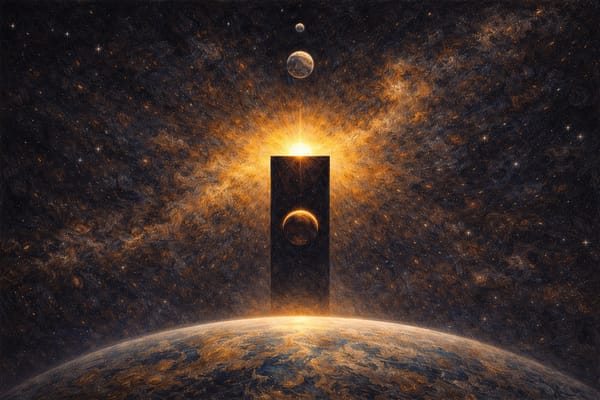
Circudyne Odyssey
Marshall McLuhan argued that experience shapes behavior before understanding. In a moment defined by overload and institutional fatigue, this letter explores what that insight means for brands, and why helping people see has become their responsibility.
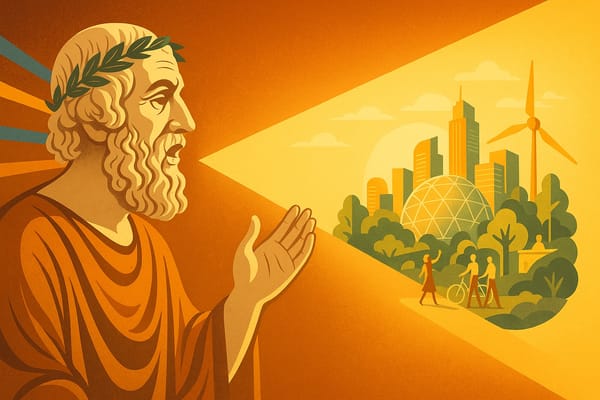
Connection
Stories begin with choices. Without internal coherence, even the best storytelling can’t help us imagine, or choose, the future we need.
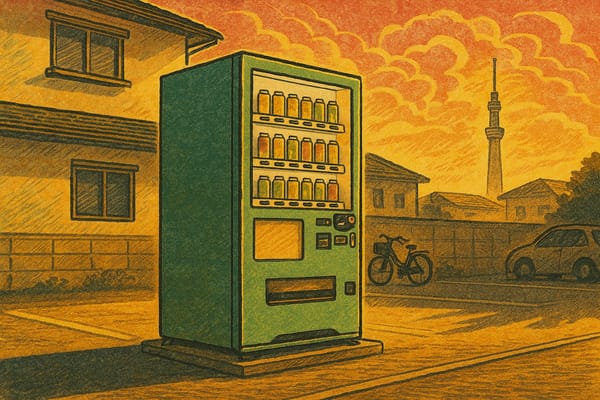
Perfect Days
We’ve absorbed decades of stories that teach us to wait for the break: build a world, then watch it fall, because “something goes wrong!” is where the meaning begins. Tales of the Circular Century require a different rhythm. “Perfect Days” reveals the quiet power of a world that holds.
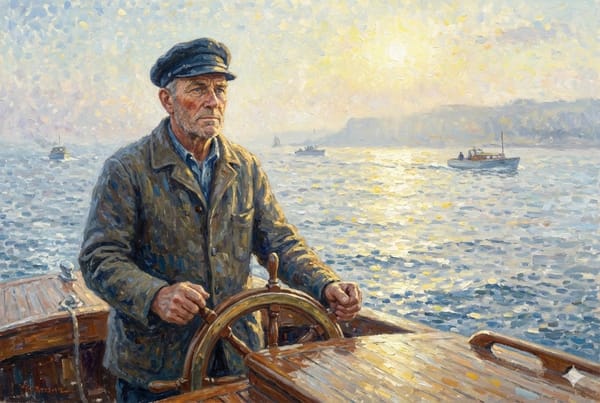
Dunkirk
Like the Royal Navy at Dunkirk, today's corporations are unfit for the task. Circular transformation needs 1,000 small boats, not one big ship. What's yours?
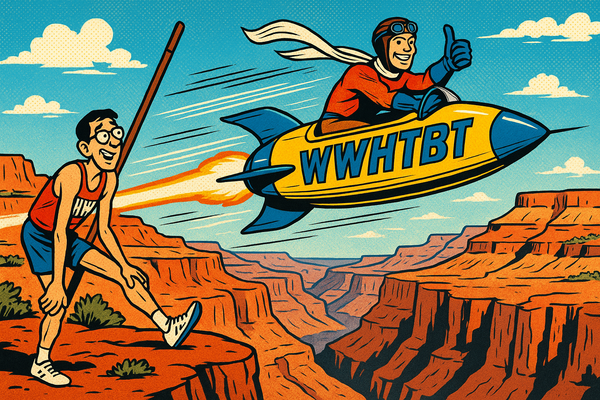
WWHTBT
You cannot A|B test your way to system change. Why circular transformation requires asking 'What Would Have to Be True?' instead of 'How Might We?'